Alexander Wallace
Hi, I'm Alex. I'm a postdoctoral researcher at the University of Southern Queensland in Toowoomba, Australia. I am interested in everything to do with stars and planets as well as communicating science to the public, even in the form of standup comedy. I am also passionate about astrophotography. Details of my work and other activities are below.
Gaia Astrometry
When a star is orbited by an unseen companion, it wobbles back and forth causing a disruption to a single star track. Gaia (launched in 2013) is sensitive enough to detect these shifts and provides a wealth of information in stellar and substellar companions from black holes to exoplanets.
My research involves looking at the renormalised unit weight error (RUWE) of stars, which is a measure of the distrotions to a single star track, and from this, constraining the properties of potential companions.
Presentation About Gaia Astrometry
Curriculum Vitae
Research Positions
2025-28
Postdoctoral Research Fellow | University of Southern Queensland
Constraining exoplanetary system properties with Gaia astrometry and radial velocity
Supervisor: Rob Wittenmyer
2022-25
Postdoctoral Research Fellow | Monash University
Constraining properties of binary stars and exoplanetary systems with Gaia astrometry
Supervisor: Andrew Casey
2013-14
Research Student | Australian National University
Investigating the future evolution of the Sun and the Solar System
Supervisor: Amanda Karakas
2012-13
Research Student | University of Adelaide
Studying the possible origin of gamma rays in star clusters
Supervisor: Gavin Rowell
Education
2016-21
Doctor of Philosophy | Australian National University
Thesis: Searching for Young Exoplanets with High-Contrast Imaging in an Effort to Constrain Models of Planet Formation
Supervisor: Michael Ireland
2014-16
Master of Philosophy | University of Adelaide
Thesis: Direction Reconstruction of IceCube Neutrino Events with Millipede
Supervisor: Gary Hill
2011-13
Bachelor of Science | University of Adelaide
First Author Publications
A. L. Wallace, A. R. Casey, A. G. A. Brown, A. Castro-Ginard, Detection and characterization of giant planets with Gaia astrometry, (2025) MNRAS 536, 3, 2485–2495
A. L. Wallace, Photometric determination of main-sequence binaries with Gaia, (2024) MNRAS 527, 3, 8718–8726
A. L. Wallace, M. J. Ireland, C. Federrath, Constraints on planets in nearby young moving groups detectable by high-contrast imaging and Gaia astrometry, (2021) MNRAS 508, 2, 2515–2523
A. L. Wallace, J. Kammerer, M. J. Ireland, C. Federrath, A. L. Kraus, S. T. Maddison, A. Rizzuto, E. K. Birchall, F. Martinache, High-resolution survey for planetary companions to young stars in the Taurus molecular cloud, (2020) MNRAS 498, 1, 1382–1396
A. L. Wallace, M. J. Ireland, The likelihood of detecting young giant planets with high-contrast imaging and interferometry, (2019) MNRAS 490, 1, 502–512
Outreach & Gallery
Science Comedy (18 April 2024)
Will we find planet B? Presentation for Future Science Talks in the Melbourne International Comedy Festival 2024. Public talk about detection of exoplanets with a comedic spin.
Articles for The Canberra Times Sunday Space Column
Chlorophyll: the star of the show in our earthly presentation 26 September 2021
Discussion of how starlight affects potential colour of plants on other worlds.
Planet or star: just how do us humans tell what you are? 28 June 2020
How to tell a star from a planet in the night sky.
Pieces of Halley's Comet are set to light up our mornings 6 May 2020
Information about the Eta Aquariid Meteor Shower.
Finding and tracking new planets and solar systems 17 April 2020
Overview of studying planet formation through direct imaging.
Astrophotography and Videos
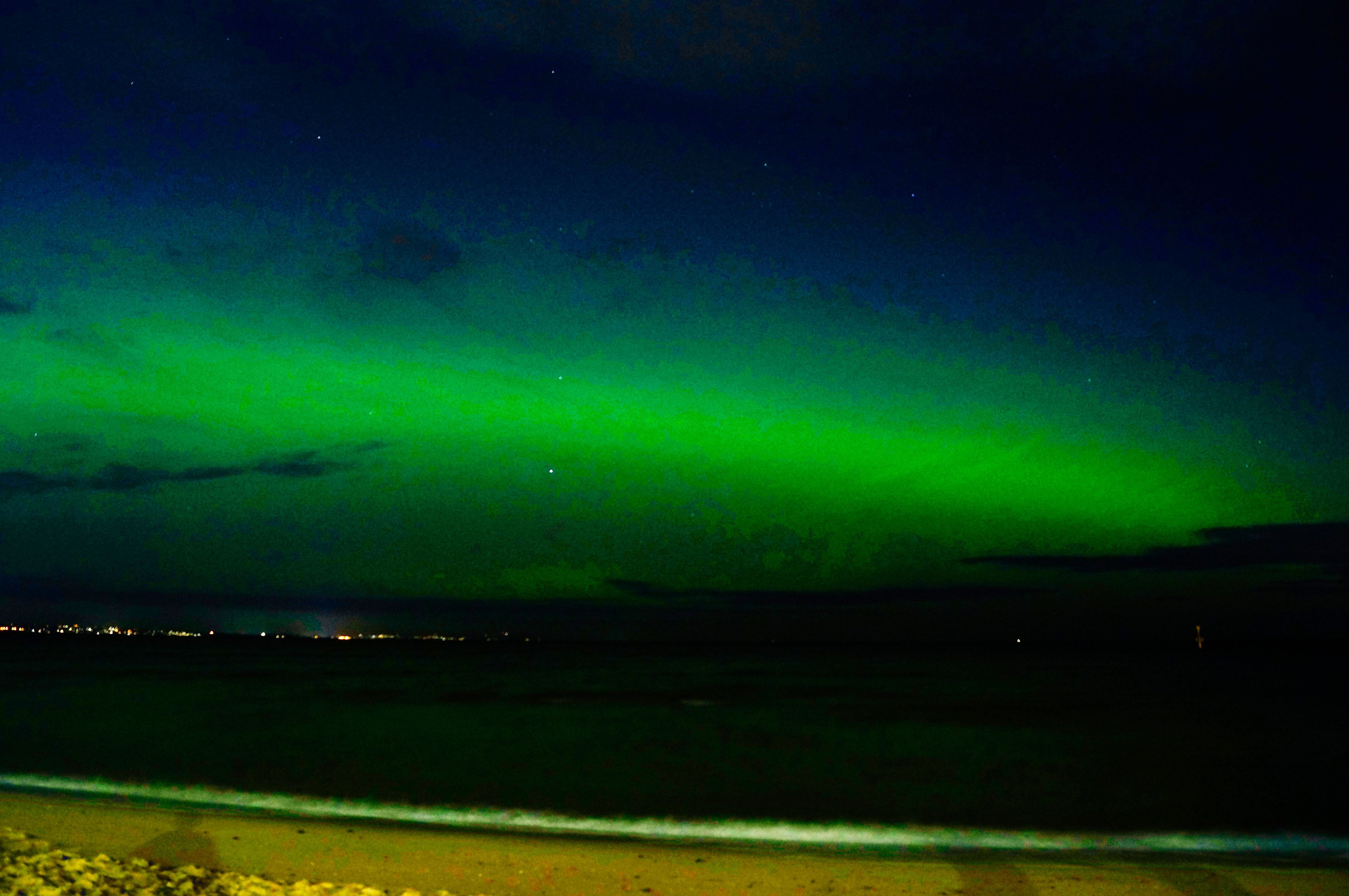
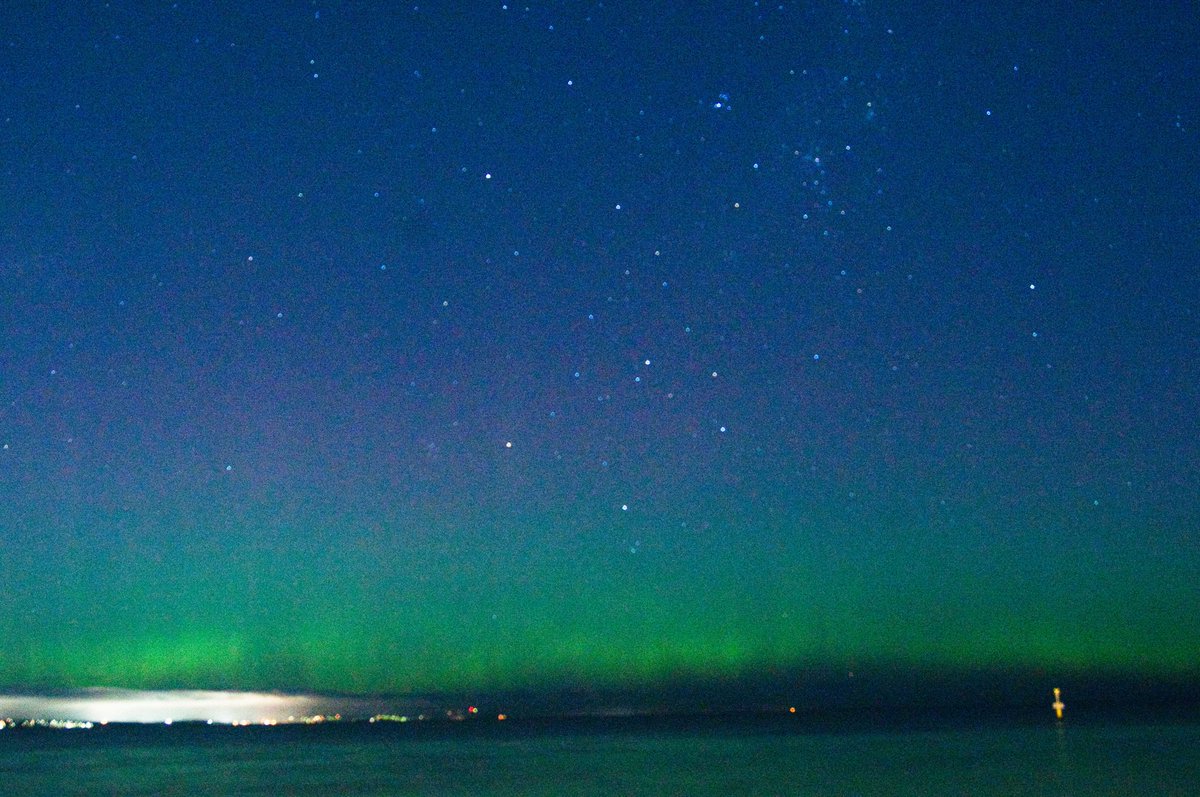
Aurora Australis (11-12 May 2024)
Strongest Solar Storm in 500 years. Taken from Melbourne, VIC, Australia.
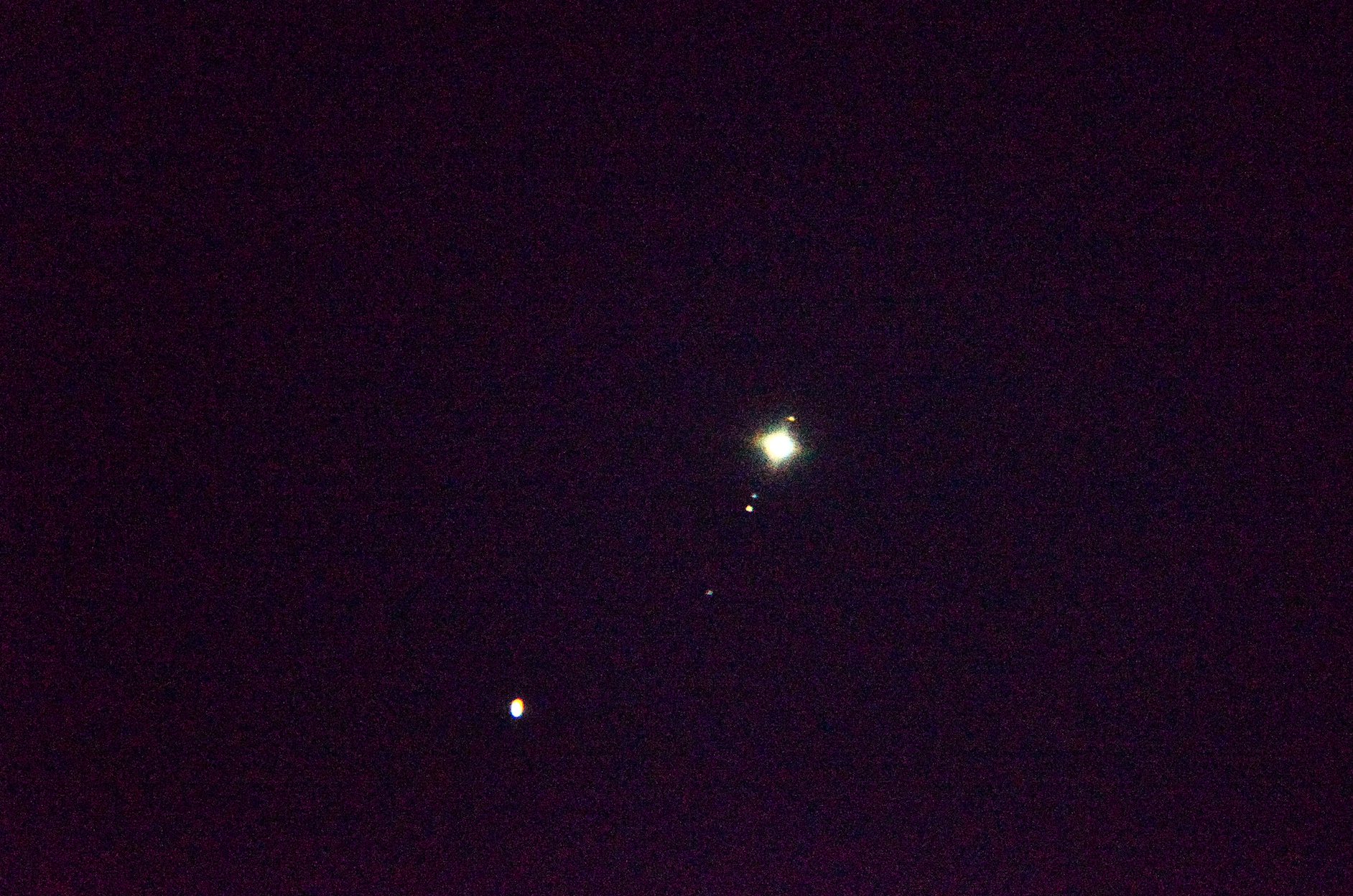
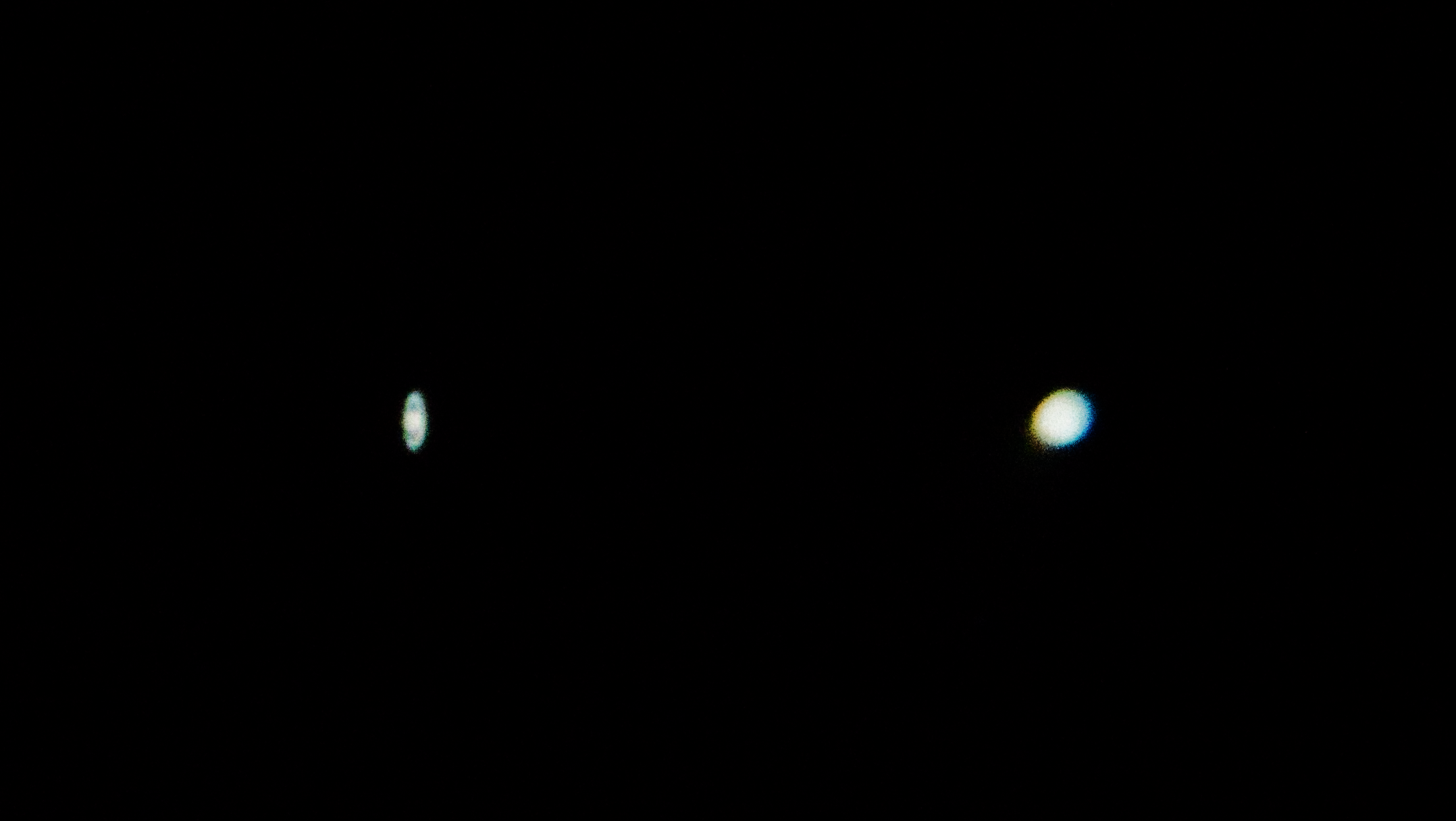
Jupiter-Saturn Conjunction (18-22 December 2020)
Closest Jupiter and Saturn have come together since 1623. Taken from Adelaide, SA, Australia.
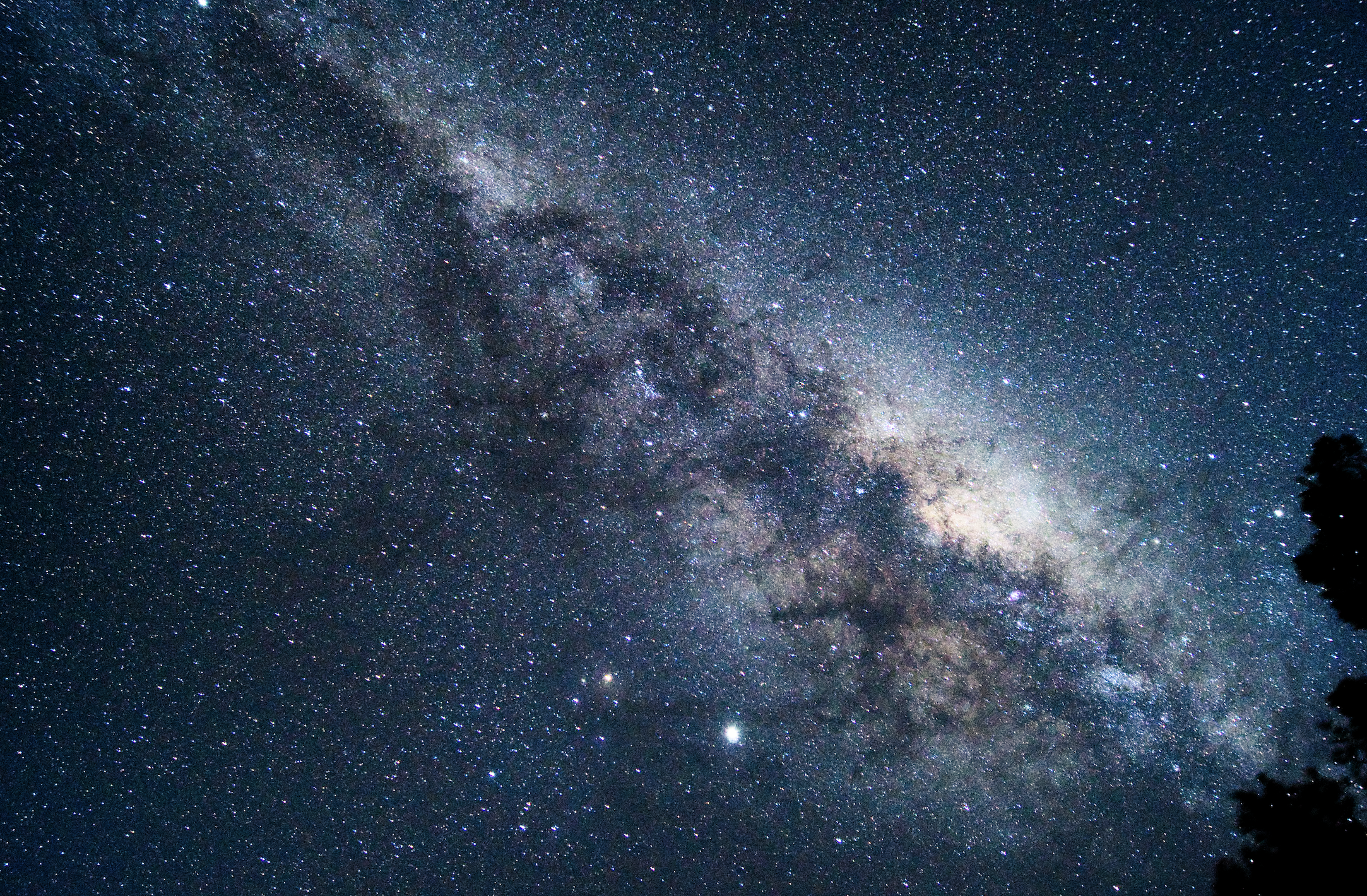
Galactic Centre (August 2019)
Central Region of Milky Way, with Jupiter in the foreground. Taken from near Canberra, ACT, Australia.
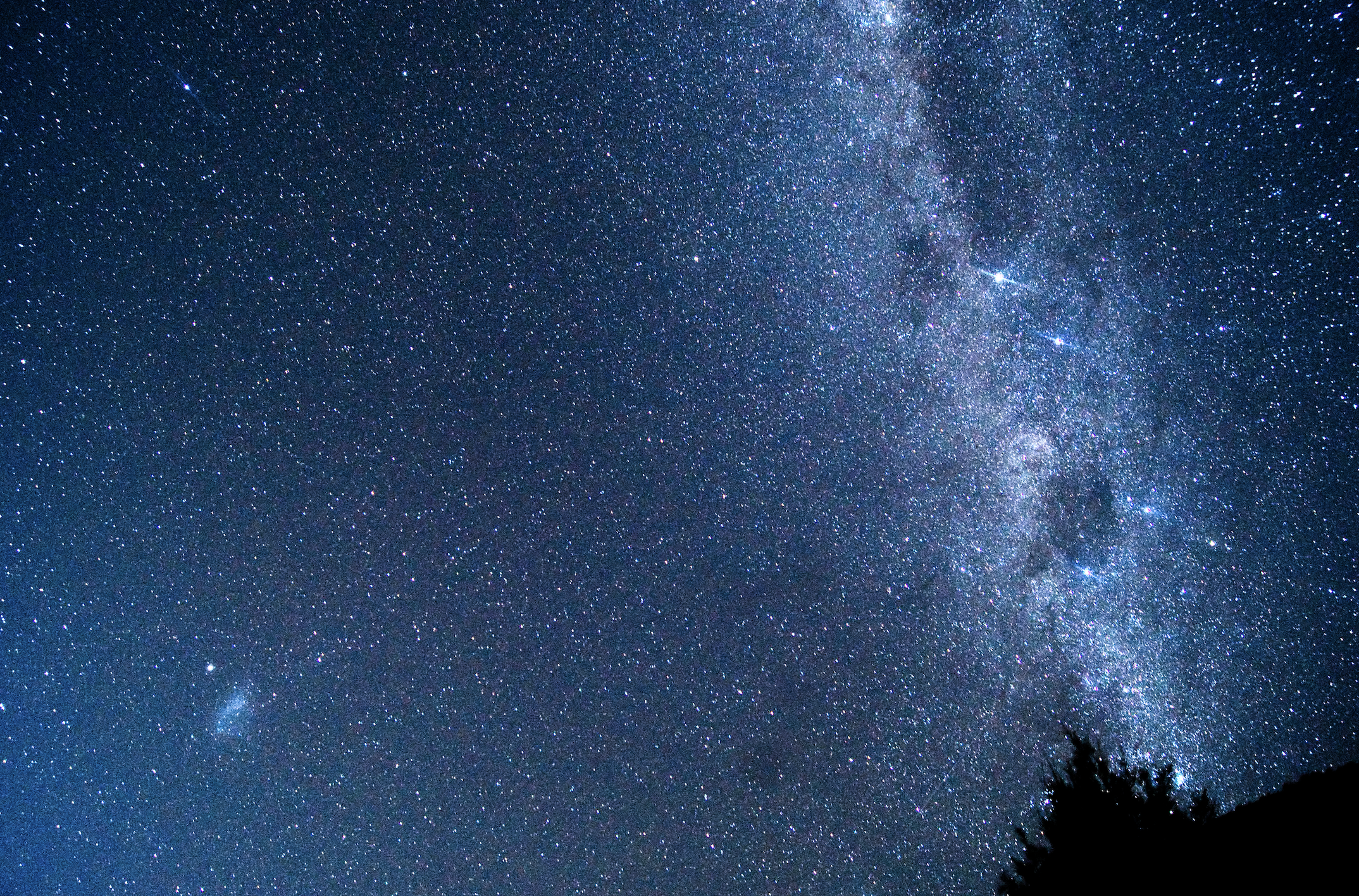
Southern Sky (August 2019)
Region near South Celestial Pole. Taken from near Canberra, ACT, Australia.
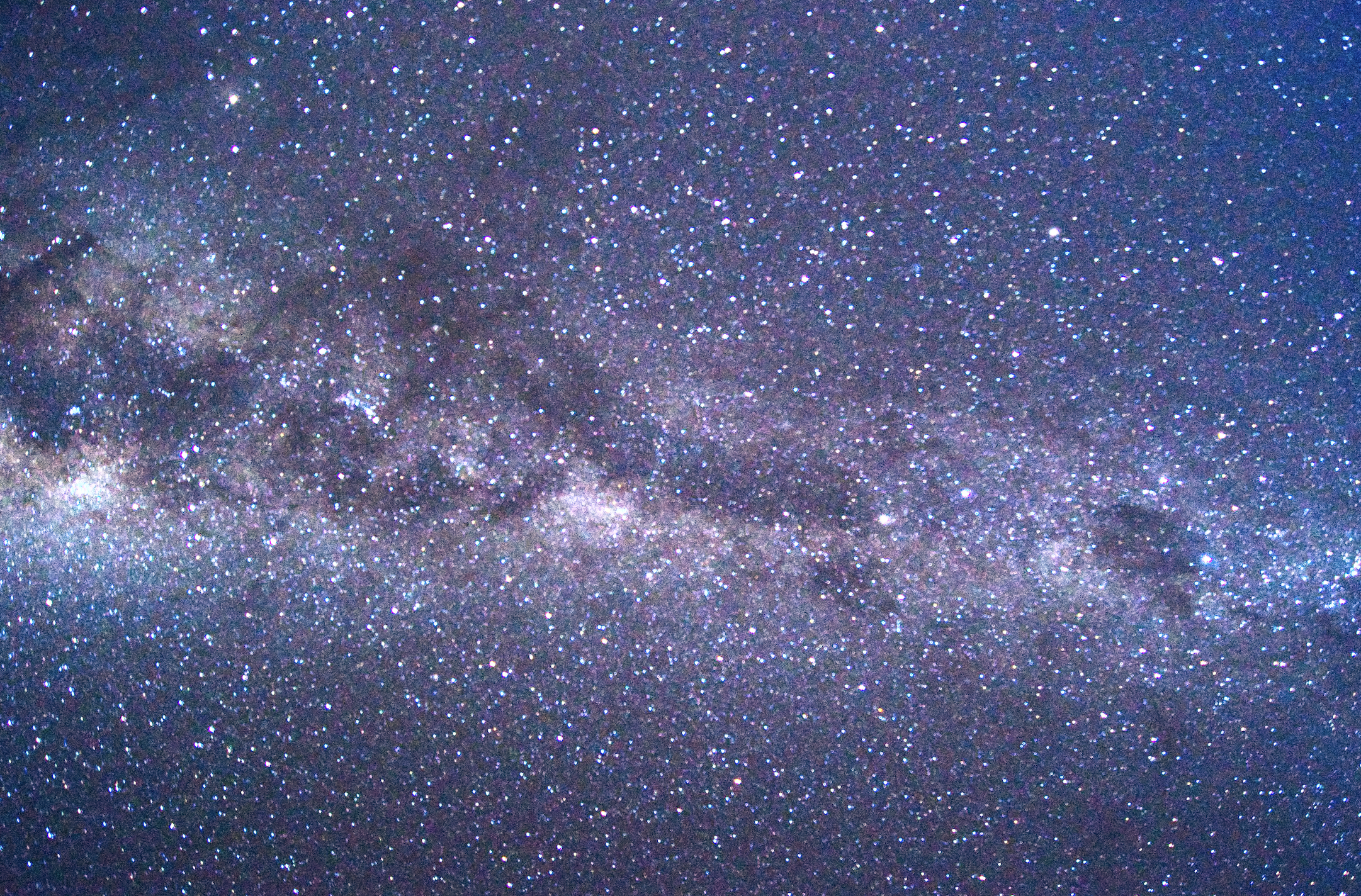
Emu in the Sky (July 2018)
Central Galactic Region showing the great emu. Taken from near Canberra, ACT, Australia.
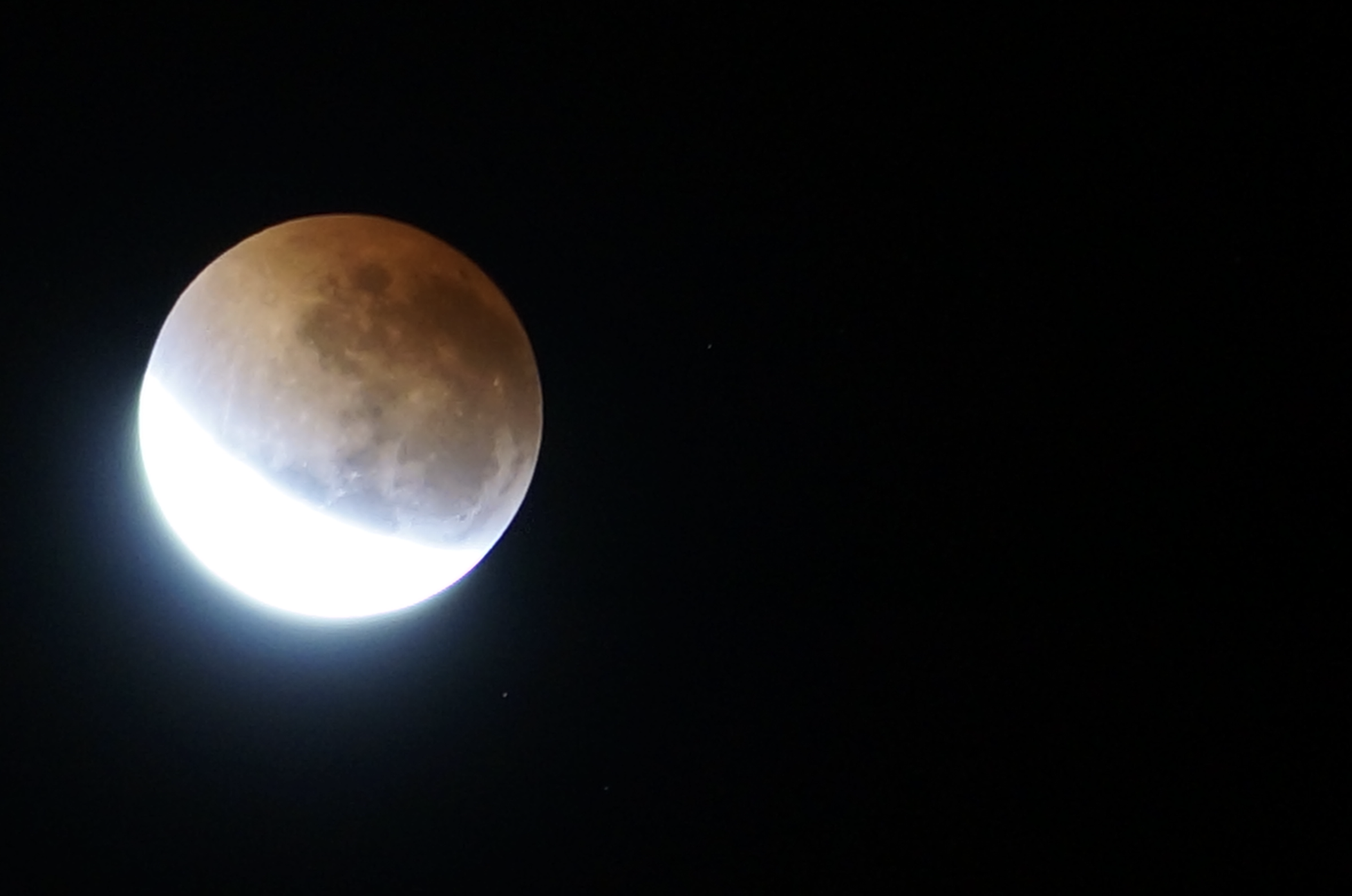
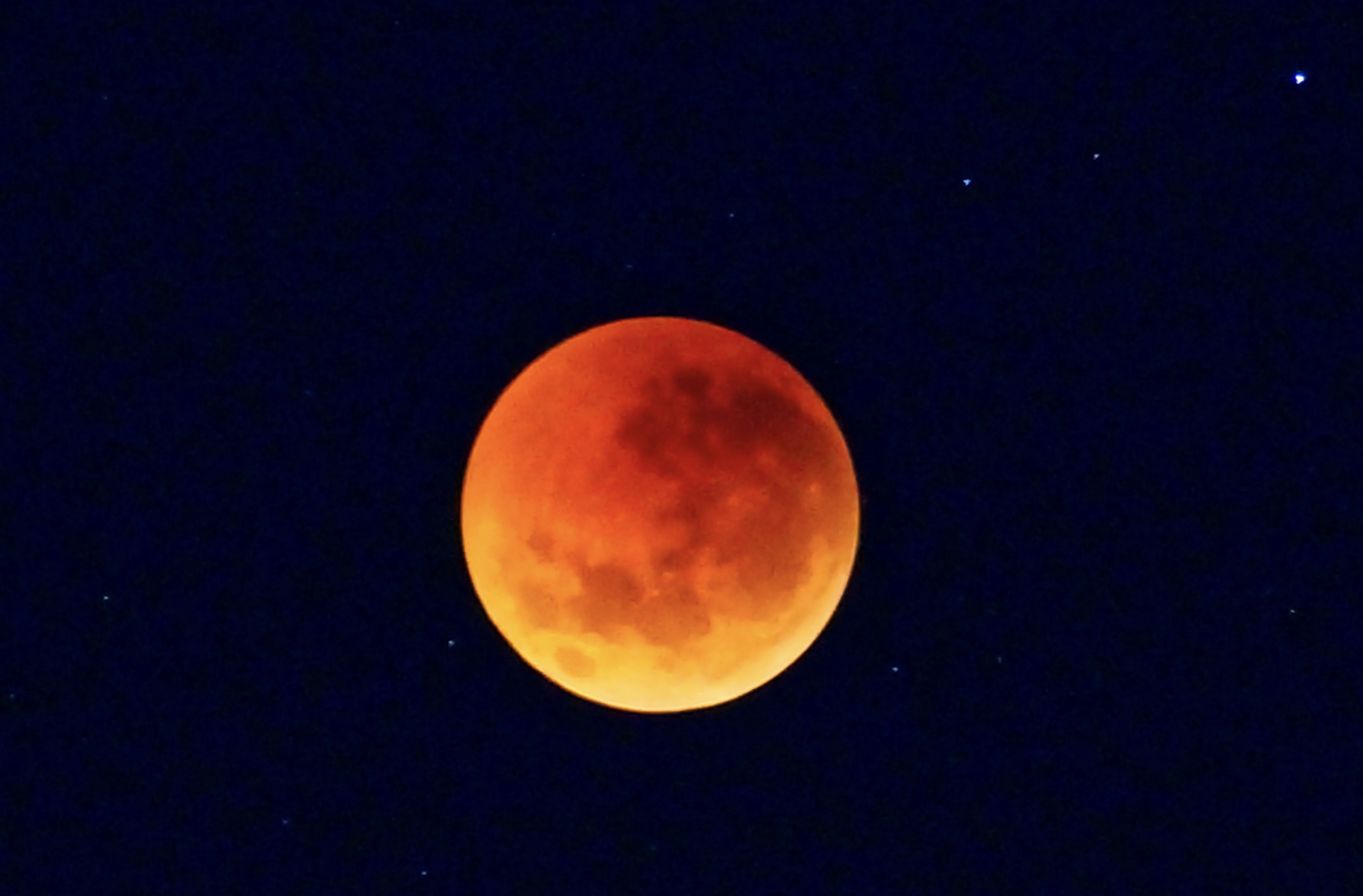
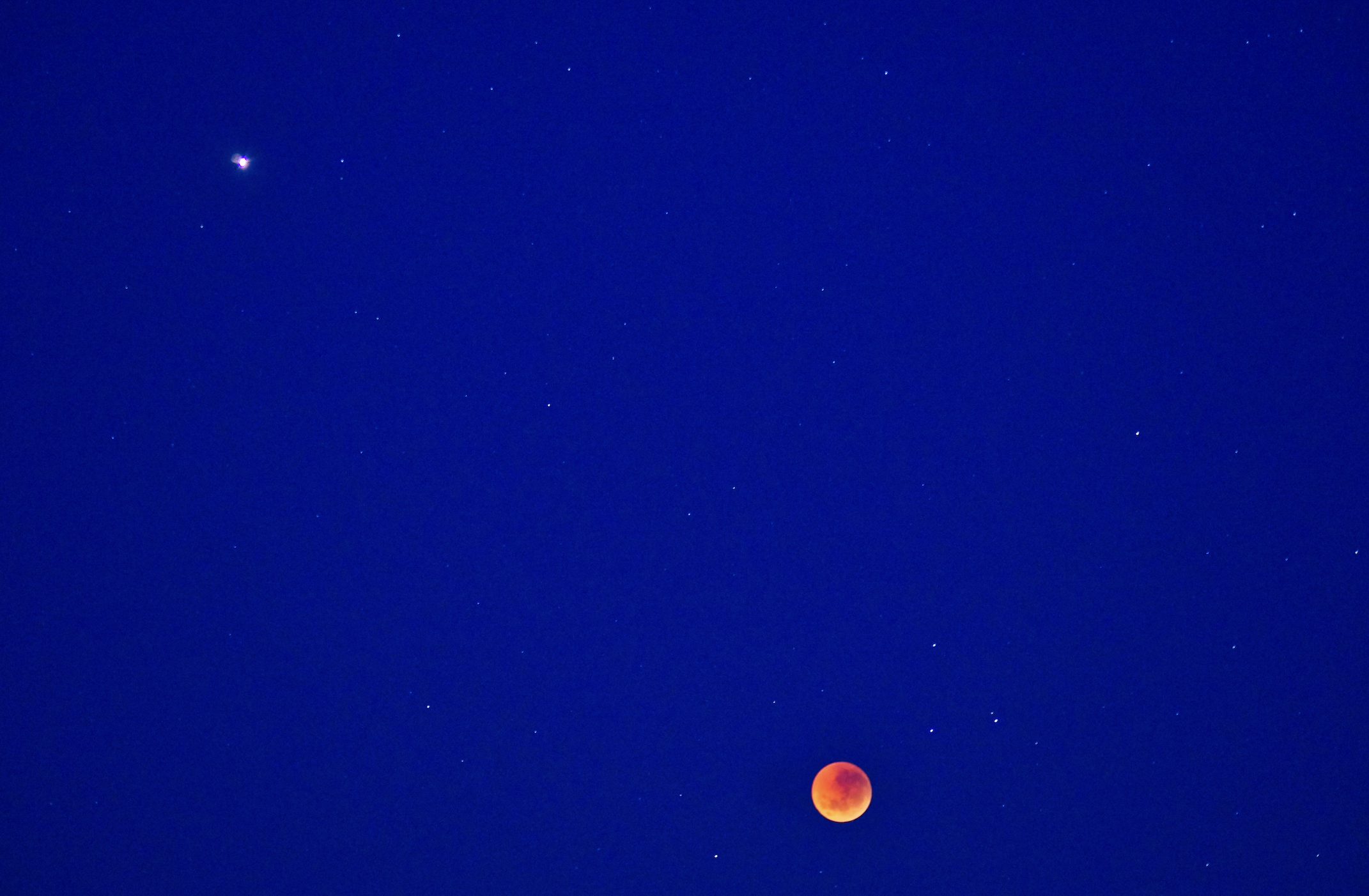
Total Lunar Eclipse (28 July 2018)
Lunar Eclipse just before sunrise. Bottom photo has Mars in the top left. Taken from Mt. Stromlo, ACT, Australia.
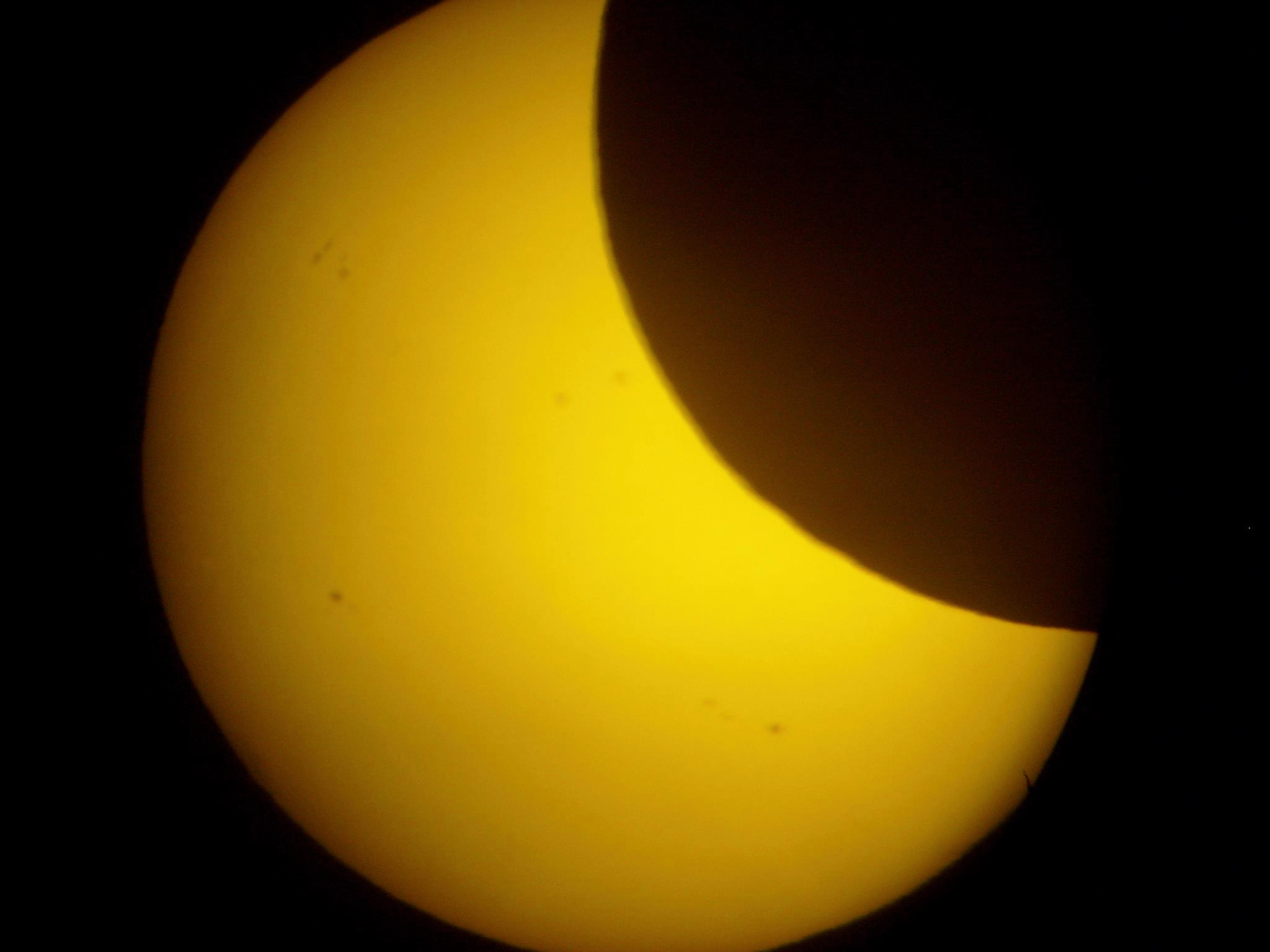
Partial Solar Eclipse (14 November 2012)
Taken from Adelaide, SA, Australia. Total Eclipse seen in Far North Queensland.
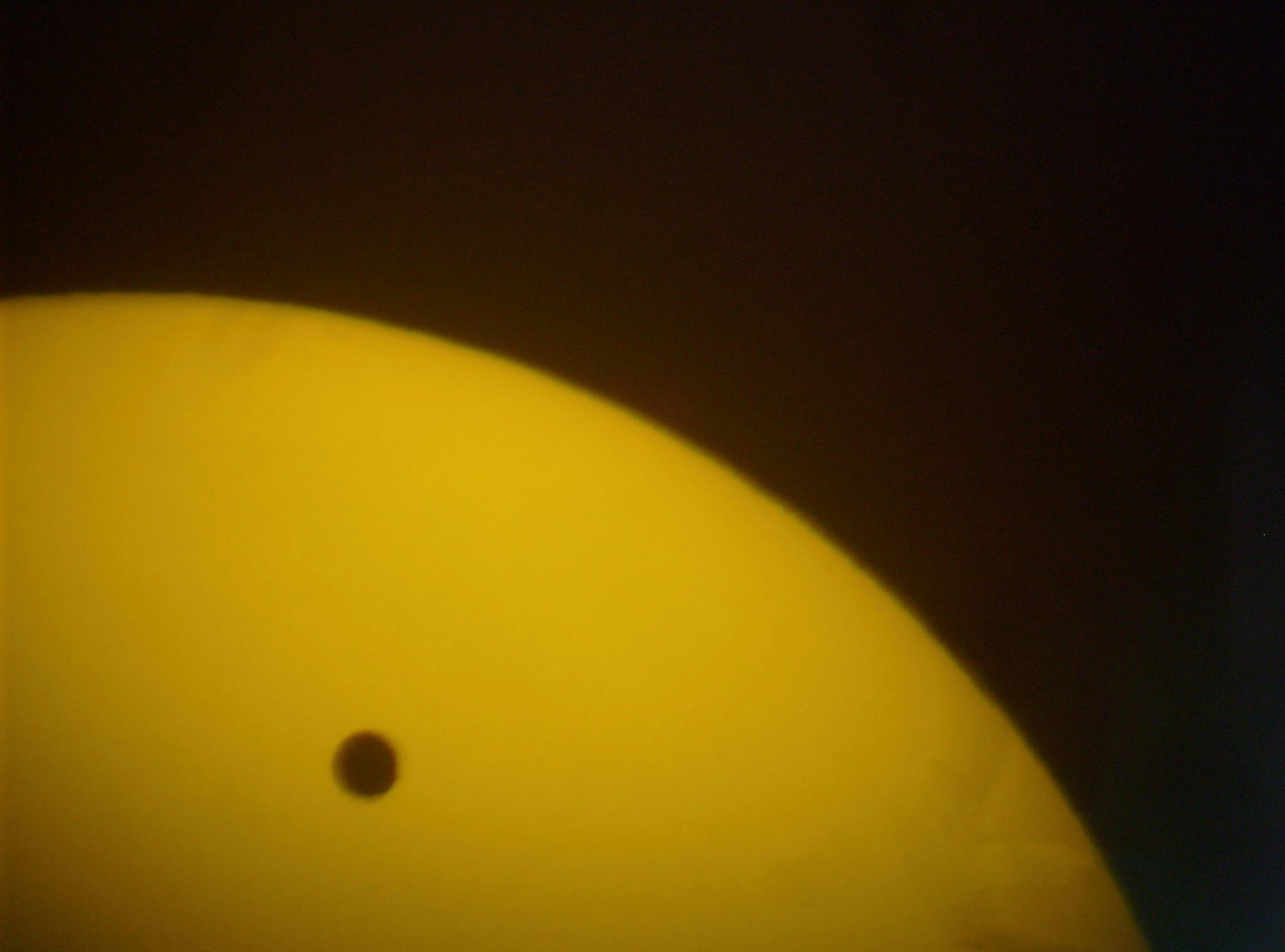
Transit of Venus (6 June 2012)
Last Transit of Venus until 2117. Taken from Adelaide, SA, Australia.